Killarney's Easy Valley Trails
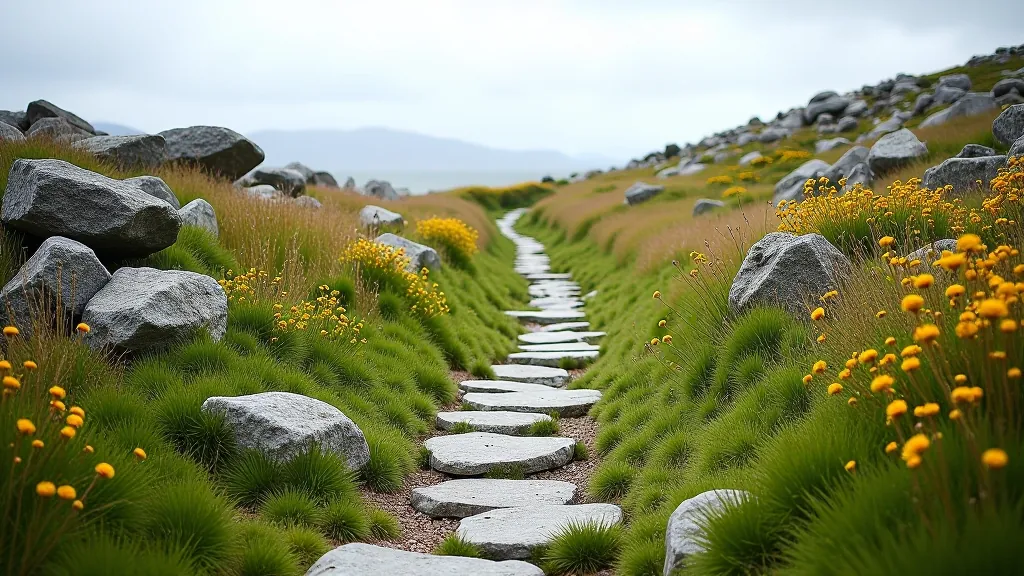
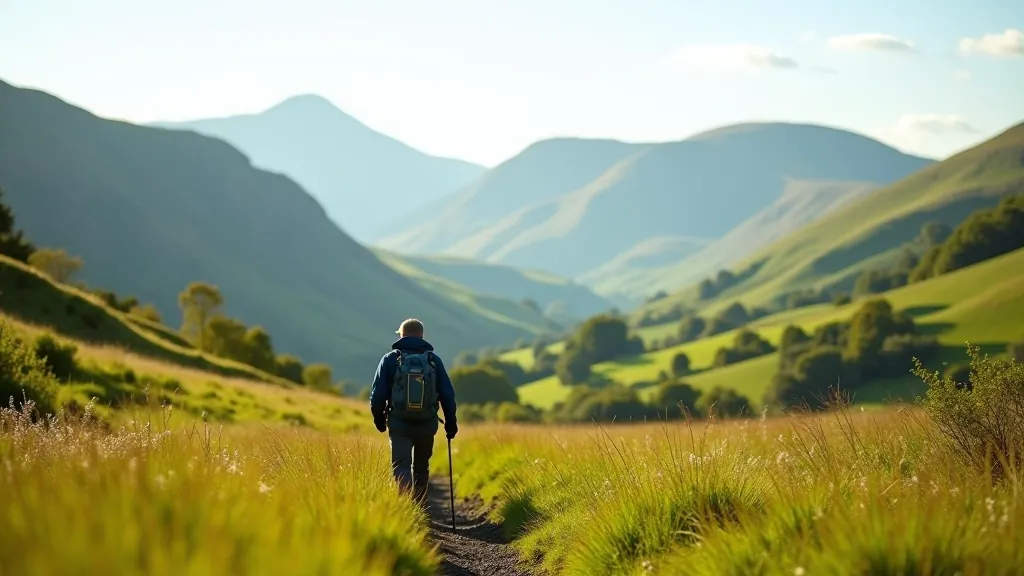
Gentle 3-mile loops through Killarney National Park. Flat terrain, plenty of benches, and some of Ireland's best mountain views.
Everything you need to know before heading out: what to pack, how to pick the right route, pacing yourself, and safety tips that make hiking enjoyable for seniors.
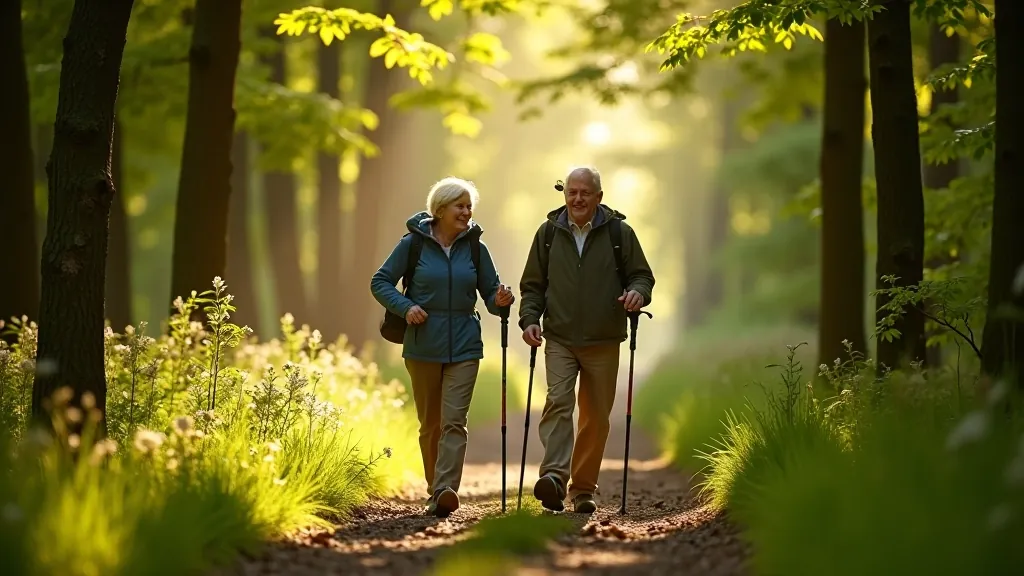

Getting ready for a day hike isn't complicated, but it's worth doing properly. The difference between a brilliant afternoon and a frustrating one often comes down to simple preparation — picking a route that matches your fitness level, packing the right things, and knowing what to expect. We've seen plenty of hikers set off unprepared and regret it halfway up a hill. But we've also watched hundreds of people who got it right absolutely enjoy themselves.
This guide walks you through everything you'll need to think about before you lace up your boots. It's not about being overly cautious — it's about making smart decisions so you can focus on enjoying the views and the fresh air.
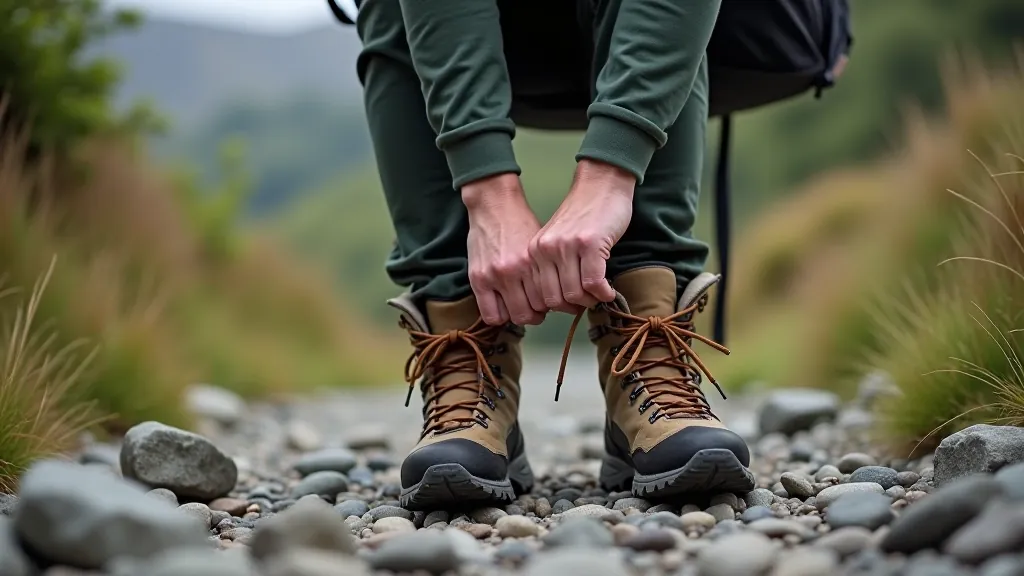
Not all trails are created equal, and choosing one that's right for you makes all the difference. Start by being honest about what you can comfortably do. If you've not hiked in a while, don't pick the most challenging option available just because it sounds impressive. It won't be impressive if you're exhausted by kilometer two.
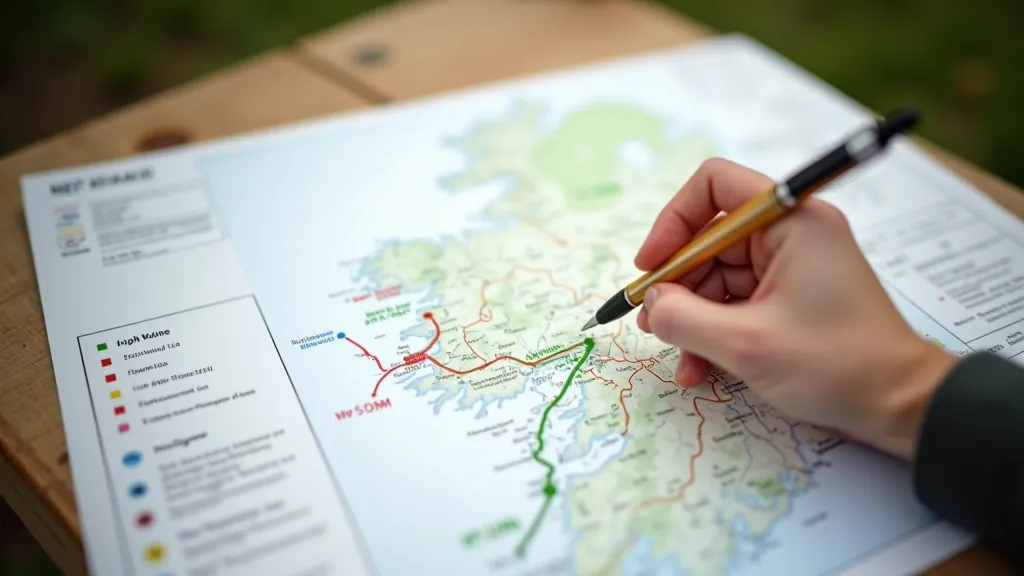
Look for trails that are 3-5 miles (5-8 kilometers) for your first outings. Check the elevation gain — flat or gently rolling terrain is perfect for building confidence. Read recent reviews from other hikers. They'll tell you about muddy sections, steep bits you didn't expect, or views that make the effort worthwhile. Check the trail surface too. Well-maintained gravel paths are far easier on the knees than rocky or uneven ground.
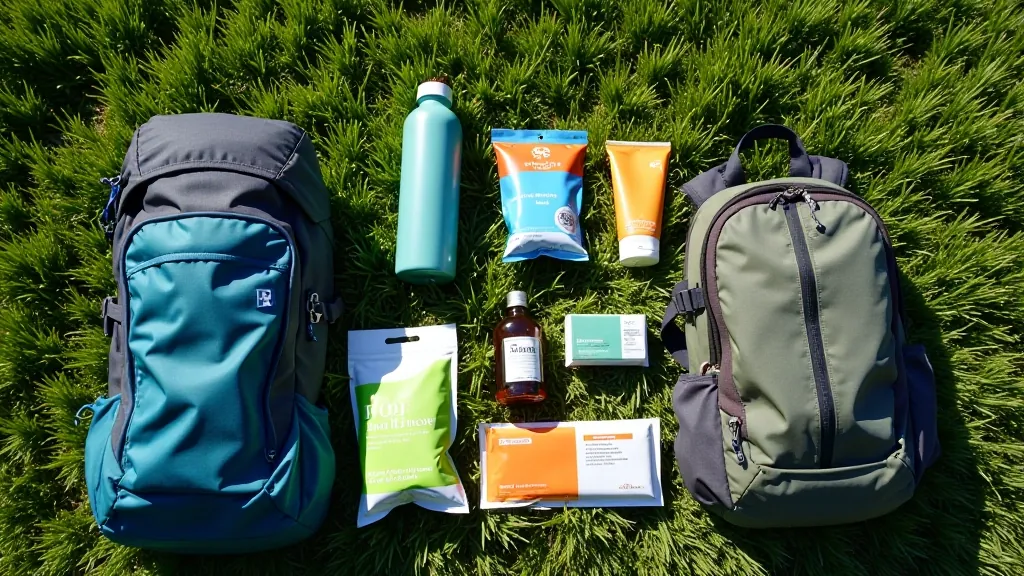
Your backpack should feel light, not heavy. Most day hikers do fine with 10-15 pounds total. That's your water, snacks, and extra layers — not your entire wardrobe. Start with the essentials and don't add things just because you think you might need them.
Water is non-negotiable. Bring at least 2 liters (about 4 pints), more on hot days. You don't realize how thirsty you're getting until you're already dehydrated. Pack snacks that actually taste good to you — energy bars, fruit, cheese — not something you'll leave uneaten. A basic first aid kit with blister treatment is worth its weight. Sunscreen, a hat, and a light rain jacket cover most weather situations. And tell someone where you're going and when you expect to be back. It's simple but important.
2+ liters water, energy bars, fruit, nuts, cheese
Sunscreen, hat, light rain jacket, basic first aid
Phone, map, watch, walking poles if needed
There's no prize for speed. The best pace is one you can keep talking at — if you're breathless, you're going too fast. Most comfortable day hikers average 2-2.5 miles per hour on flat terrain. Slower on hills. That means a 4-mile hike takes about 2 hours plus time for breaks and views. Build that into your planning so you're not rushing.
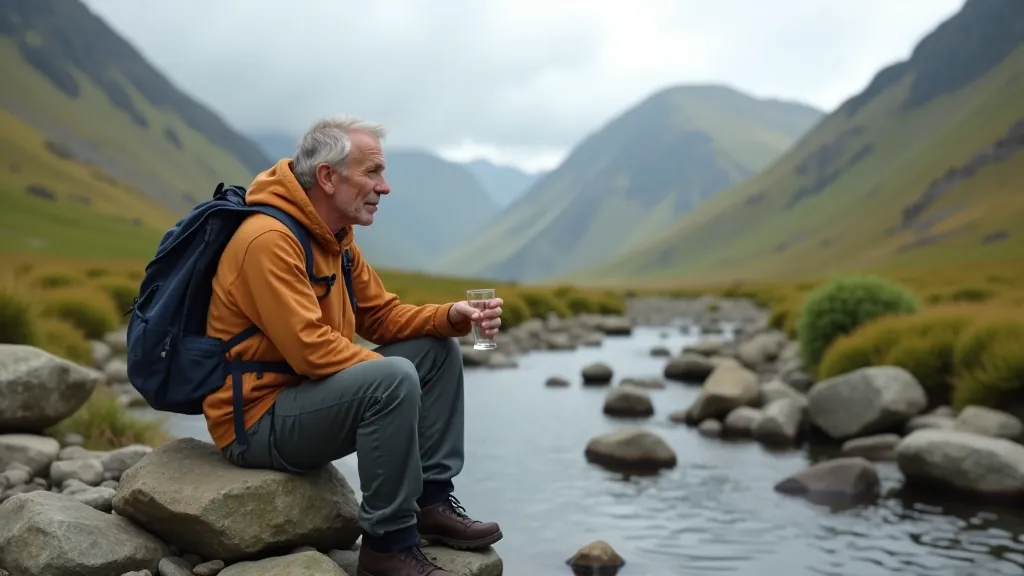
Take breaks regularly, not just when you're tired. Every 45 minutes or so, stop for a few minutes. Sit down if you can. Have some water and a snack. These small pauses make a massive difference in how you feel. Your legs stay fresher, your energy stays steady, and you actually get to appreciate where you are.
Watch for warning signs. Sharp pain — not muscle fatigue, but actual pain — means stop and reassess. Dizziness, shortness of breath that doesn't improve with rest, or feeling unwell are all reasons to turn back. There's no shame in that. The trail will still be there another day.
You should finish your hike feeling satisfied, not completely exhausted. If you're wiped out at the end, you've probably gone too far. Dial it back next time.
This article provides educational information about day hiking planning and is not a substitute for professional medical or safety advice. Before beginning any hiking activity, especially if you have existing health conditions, consult with your doctor or healthcare provider. Trail conditions, weather, and personal fitness levels vary significantly — always assess your own capabilities honestly and adjust plans accordingly. Weather in Ireland changes quickly; check forecasts before you go. Hiking involves inherent risks. You're responsible for your own safety decisions and for letting someone know where you're going.
Preparation doesn't have to be stressful. You're essentially asking three questions: Can I do this distance? Do I have what I need? Am I feeling okay? If the answers are yes, you're ready to go. Pick a nice morning, choose a trail you're genuinely interested in, and take your time. The views aren't going anywhere, and neither are you.
Most people find that once they've done one hike successfully, they're eager to do another. You'll develop a rhythm, figure out what works for you, and start discovering trails that become favorites. That's when it stops being a checklist and becomes something you actually look forward to.