Glendalough Valley Walks
Discover the magic of Ireland's glacial valley with easy, manageable trails through ancient monastic history and pristine mountain scenery

Why Glendalough is Special for Walkers
Glendalough isn't just another Irish valley. The place has real history — a monastic settlement from the 6th century that you can actually walk through. Two pristine lakes sit at the valley floor, surrounded by steep granite walls that create a natural amphitheater of green and rock. It's dramatic without being intimidating.
What makes it perfect for retirees? The trails are short enough to finish comfortably in a morning, yet substantial enough to feel like you've accomplished something. You're not just strolling — you're hiking proper terrain with real scenery. Plus, the infrastructure's excellent. Parking's right there, facilities are clean, and the paths are well-maintained.
The Three Core Walks
You've got real choices here. Not all the same difficulty, not all the same length. Pick what suits your energy level that day.
Lower Lake Loop
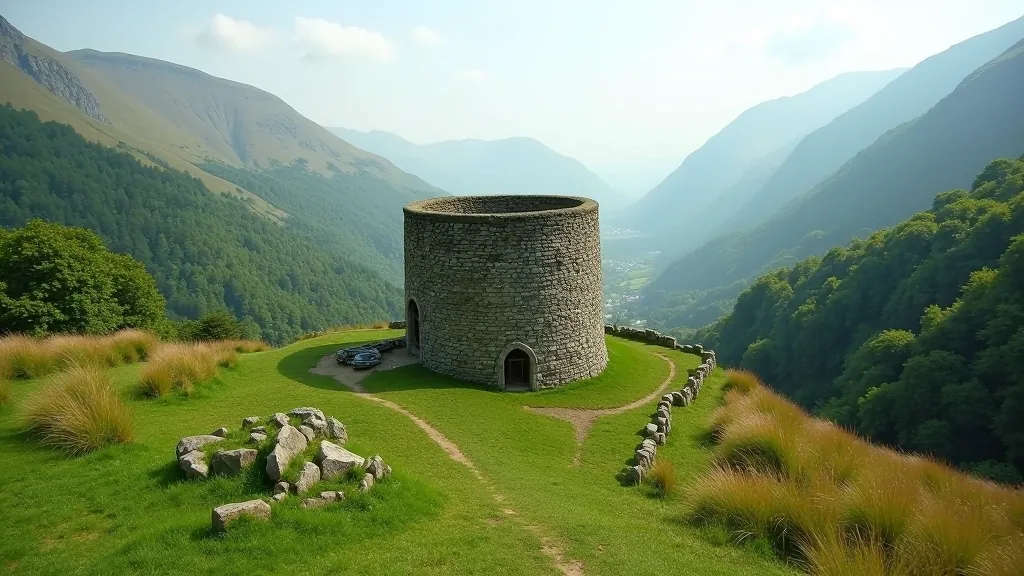
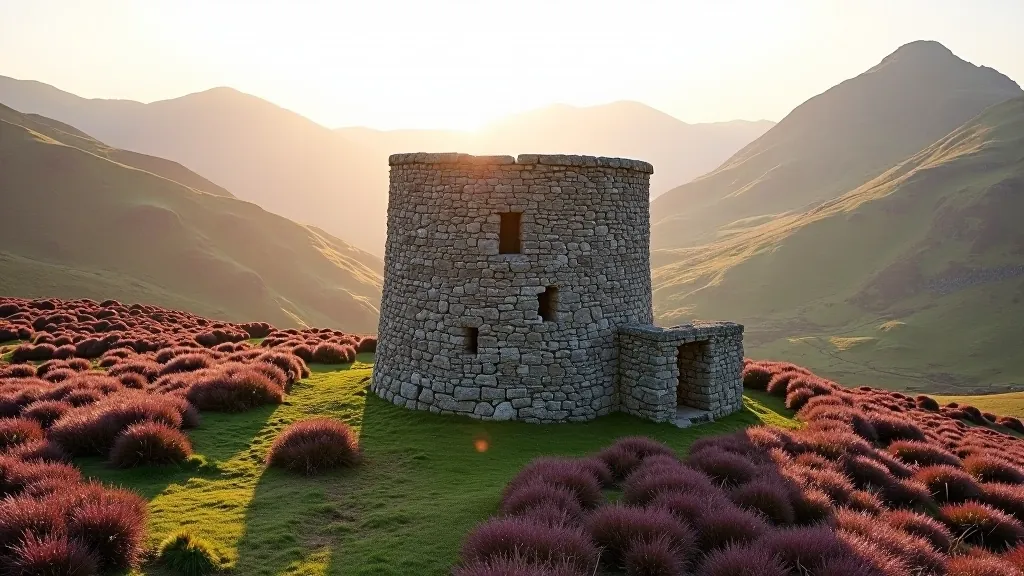
Start at the visitor center and walk the full circuit around the lower lake. Flat ground mostly, with views of the round tower from different angles. You'll pass the monastic buildings — cathedral ruins, churches, the stone crosses. The path gets a bit rocky in patches, but nothing steep. Best option if you want history and scenery without serious climbing.
Miner's Path & Upper Lake
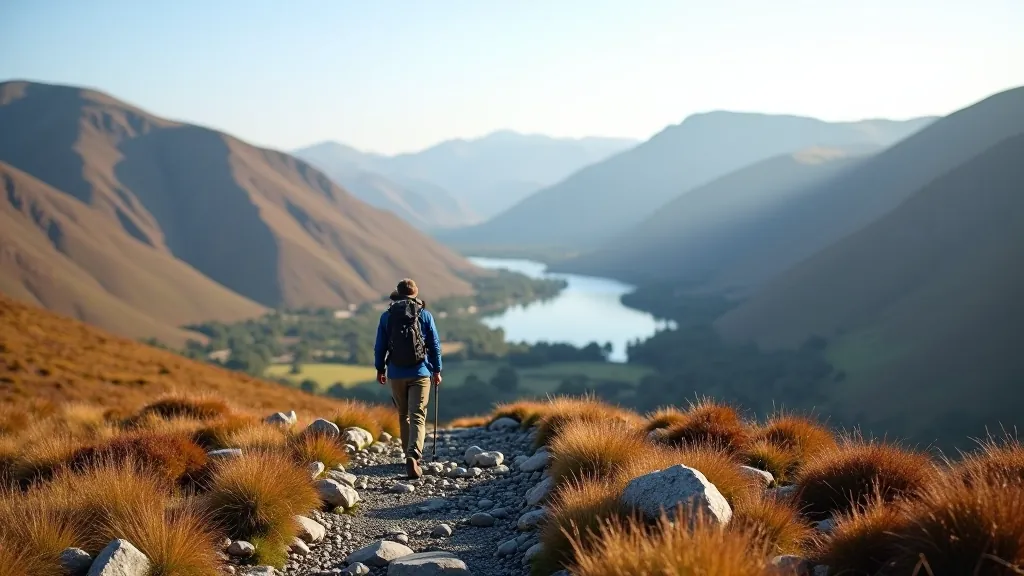
This one climbs properly. You'll gain about 400 meters elevation following the old lead mining path up to the upper lake. The scenery changes as you rise — first woodland, then open hillside, then the lake appears suddenly in a high basin. It's the best views in the valley, but you've earned them. Take your time on the ascent.
Spinc Ridge Walk
This is for walkers who want a proper mountain experience. You'll traverse the ridge between the two valleys, with steep drops on both sides. Exposed in places — wind can be real. Stunning panoramic views across the Wicklow Mountains. Only take this if you're comfortable with height and have solid fitness. Absolutely worth it if you're up for the challenge.
What to Bring & What to Know
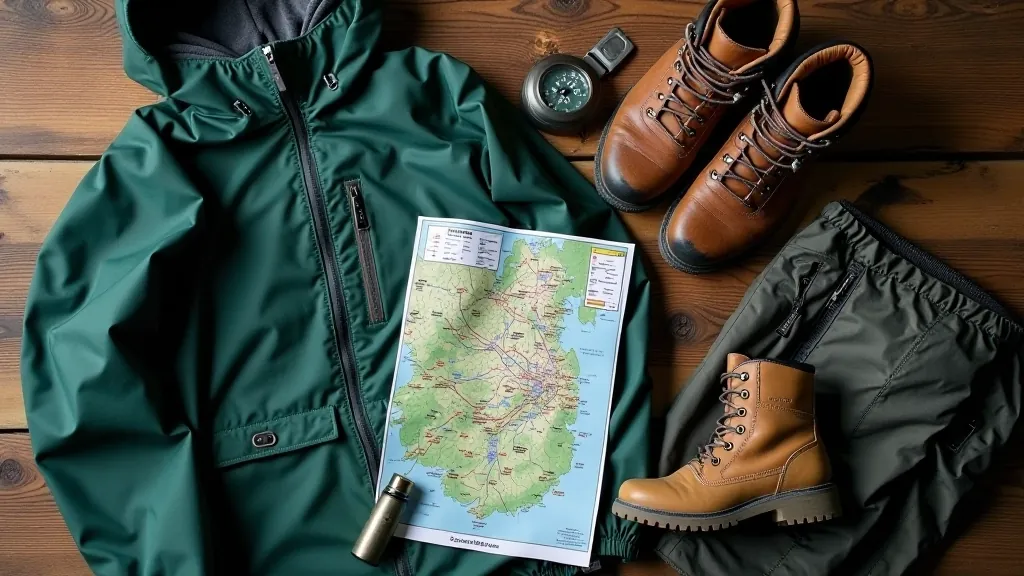
Weather changes fast in the mountains. You might start in sunshine and hit cloud cover within an hour. Pack layers — you'll need them. A waterproof jacket isn't optional, it's essential. Even if the forecast says fine weather, bring it anyway.
Essential Gear
- Good walking boots with ankle support (not trainers)
- Waterproof jacket and trousers
- Hat and gloves (even in summer at altitude)
- 1.5-2 liters of water minimum
- Energy snacks — trail mix, energy bars, fruit
- Sunscreen and sunglasses
- Basic first aid — blister kit, pain relief
The visitor center has toilets, a café, and maps. Open daily from 9:30 AM. Car park's free, but it fills up fast on weekends — arrive early if you can. Don't underestimate the lower lake walk because it's short. The path can be muddy after rain, and the rocky sections need proper footwear.
Walking Tips That Actually Work
These aren't generic tips. They're specific to Glendalough and based on what real walkers have found helpful.
Start Early
Parking fills by mid-morning on weekends. Plus, morning light is better for photography and the trails feel less crowded. You'll have time to rest before afternoon.
Take Breaks
Sit by the lake for 15 minutes. Eat your snack. Let your legs recover. You're not in a race. The best part of hiking isn't the finish — it's the moment you're standing in the middle of the mountains, breathing properly, looking around.
Respect the Weather
If visibility drops below 20 meters, the ridge walk becomes dangerous. Turn back. The valley will be there tomorrow. This isn't giving up — it's being smart.
Use Trekking Poles
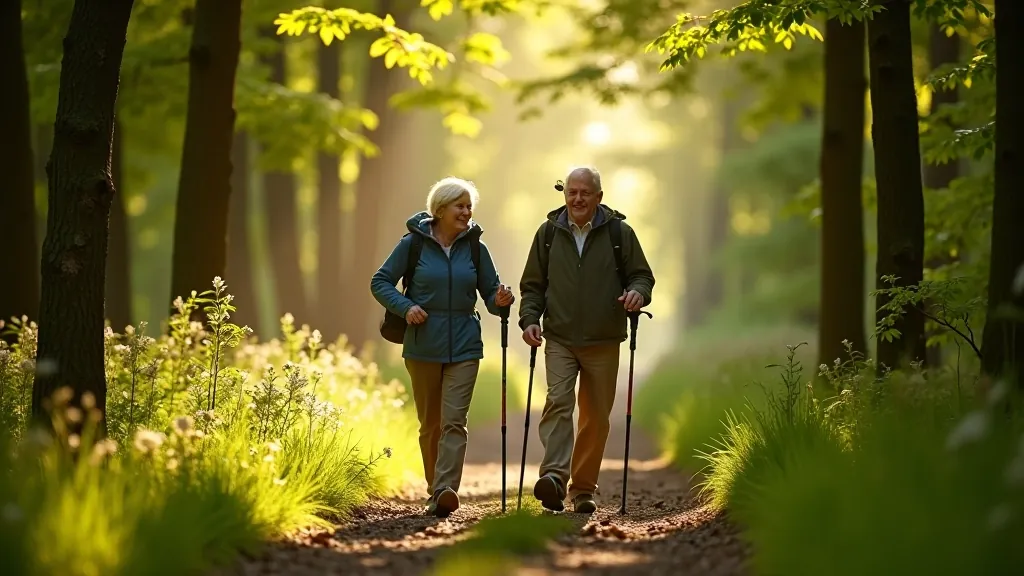
They're not just for steep mountains. On the lower lake loop, poles reduce impact on your knees by about 30%. On climbs, they transfer some work to your arms. Your legs will thank you.
Watch the Rocks
The path has exposed rocks and tree roots. They're not hidden — you can see them. But on the descent especially, watch your footing. Most injuries happen coming down, not going up.
Visit the Ruins
Don't just walk past them. Spend 10 minutes exploring the cathedral and churches. Read the information boards. This place has 1400 years of history. You're literally walking through someone's sacred space.
Best Time to Visit
Spring and autumn are honestly the sweet spot. May through June has long daylight hours and wildflowers starting to appear on the slopes. September and October bring clearer skies and cooler temperatures — better for walking without overheating. Summer's busier and the midges can be annoying. Winter's beautiful but shorter days and mud make longer walks harder work.
Spring (April-May): Warmer, wildflowers emerging, still quiet before summer crowds. Pack a light layer for cool mornings.
Summer (June-August): Long daylight, busiest period, can be warm. Arrive very early or plan for crowded paths. Midges can be fierce — insect repellent helps.
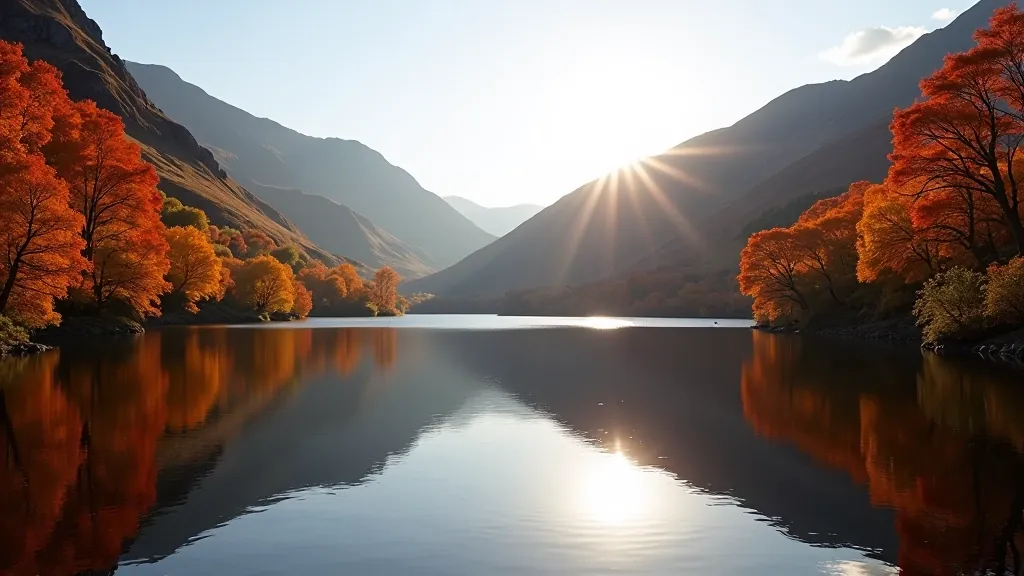
Autumn (September-October): Best visibility, cooler temperatures, fewer walkers. Some trees change color creating stunning light. Our top pick for serious walkers.
Winter (November-March): Quieter but muddy, shorter days mean less walking time, occasional ice on higher paths. Only for experienced walkers with good fitness.
Accessibility & Difficulty Reality
Let's be honest about what's involved. The lower lake walk is genuinely accessible for most people. It's short, mostly flat, with good facilities. The upper lake and ridge walks require real fitness and mountain experience. There's no shame in doing the lower loop — it's beautiful and gives you the full Glendalough experience.
Lower Lake Loop
Doable for anyone with basic fitness. The paths are rocky but not technical. A few gentle inclines but nothing sustained. Walking boots recommended, but sturdy shoes would work. Rest stops available at several points. Most retirees complete this comfortably.
Miner's Path & Upper Lake
This requires sustained climbing. You're gaining 400 meters over roughly 2 miles on the ascent. Your legs will feel it. You need good knee health and reasonable aerobic fitness. The descent is where people struggle — controlling your weight on downhill rocky paths. Not impossible, but genuinely challenging.
Spinc Ridge
This is mountain walking, not valley walking. You need proper fitness, mountain experience, and comfort with height. The ridge is exposed in places. Wind can be significant. Weather can deteriorate quickly. Serious walkers only. No shortcuts — either you're fit for this or you're not.
Important Disclaimer
This guide is informational only and describes conditions based on typical walking experiences. Weather, path conditions, and individual fitness levels vary. Before visiting, check current weather forecasts and trail conditions with Wicklow Mountains National Park. Wear appropriate gear including waterproof clothing and proper hiking boots. Start conservatively — if you're uncertain about your fitness, begin with the lower lake loop. Mountain weather changes rapidly. If visibility drops significantly or conditions deteriorate, return to a lower elevation. This isn't a guide to guarantee safety — it's general information to help you prepare. You're responsible for your own safety decisions while hiking.
Why Walkers Return to Glendalough
Glendalough isn't about checking boxes or counting kilometers. It's about standing in a valley that's held spiritual significance for over a thousand years, surrounded by mountains, beside pristine lakes, with your feet firmly on a path that thousands of other people have walked before you. That connection is real.
The valley offers choice. Spend two hours on the lower loop or five hours on the ridge. Either way, you're experiencing genuine Irish mountain scenery. You're not fighting crowds or excessive difficulty. You're just walking, breathing mountain air, and seeing something worth seeing.
That's why people come back. Not because it's the most dramatic or the hardest. Because it's real, it's accessible, and it's genuinely beautiful. Plan your visit, bring proper gear, respect the weather, and you'll understand exactly why this valley matters.
Related Hiking Guides