Killarney's Easy Valley Trails
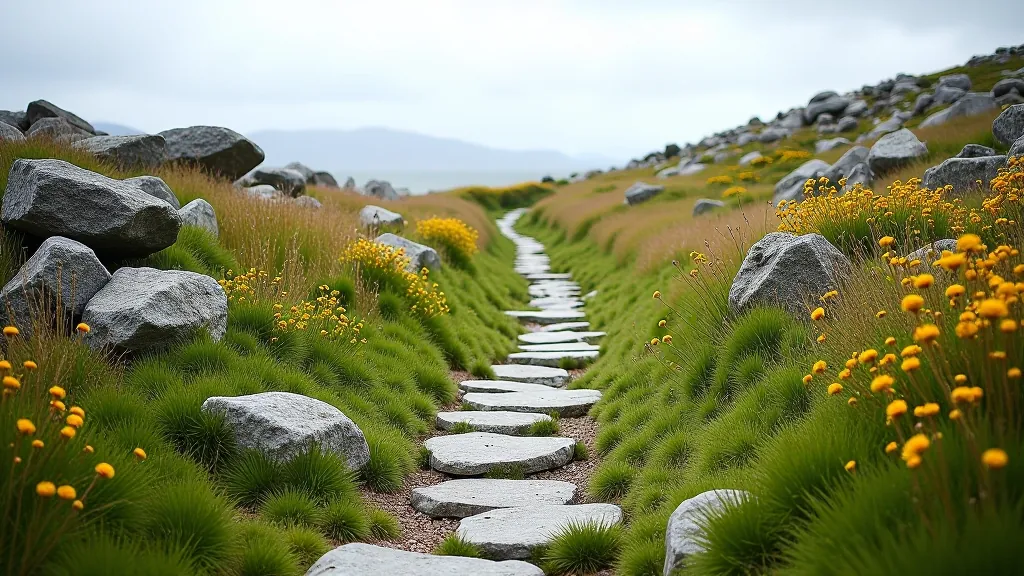
Gentle 3-mile loops through Killarney National Park. Flat terrain, plenty of benches, stunning views of mountains and lakes without the steep climbs.

Why Killarney Works for Easy Walking
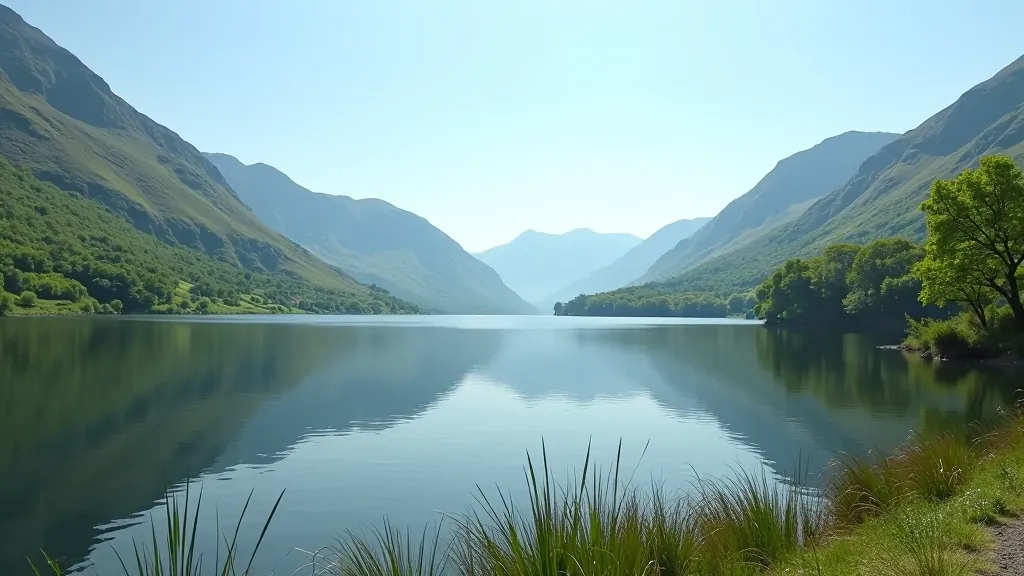
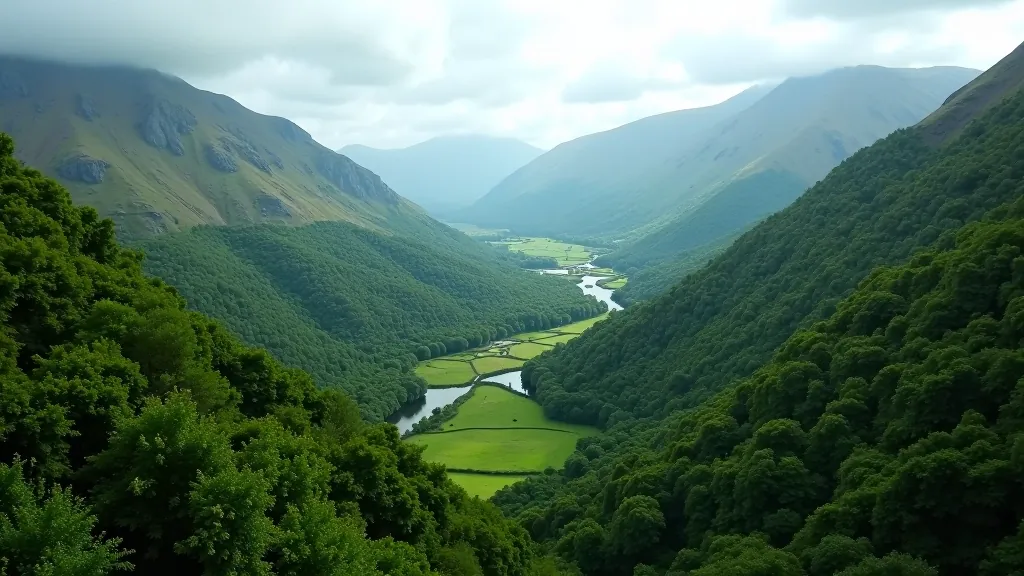
Killarney National Park is one of Ireland's most accessible walking destinations. You've got three main valleys — Muckross, Torc, and Arthur — and we're focusing on the routes that don't require scrambling or steep ascents. Most trails here follow old estate roads or maintained paths, so your footing's secure and you're not worried about loose rocks.
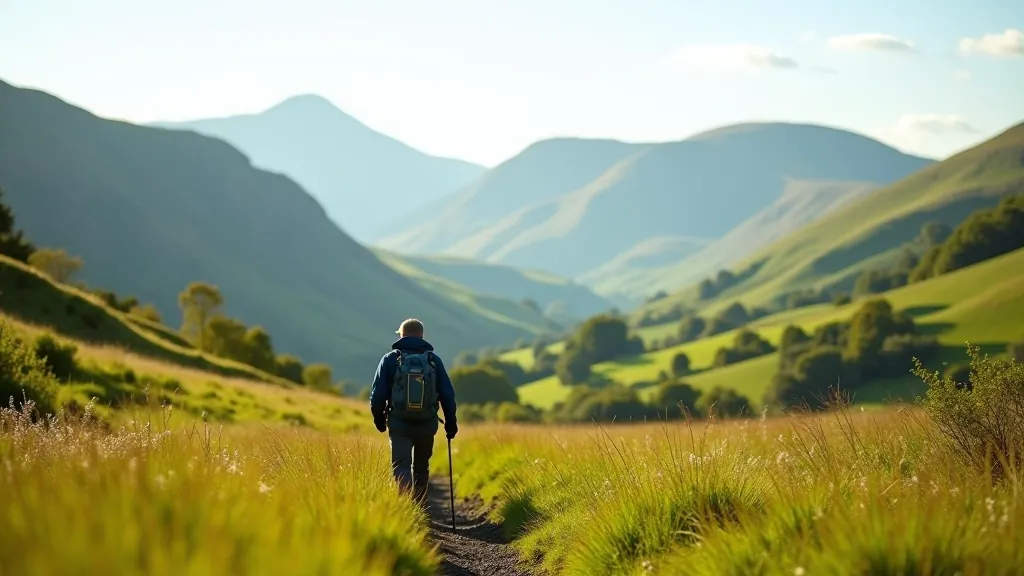
The real advantage? Shade and water. Nearly every trail runs alongside lakes or streams, so there's always a cool spot to rest. Benches are scattered throughout the park — not fancy, but solid and well-placed. And the scenery doesn't require you to reach a summit. Mountains frame the valleys beautifully from ground level.
The Three Main Routes
All three valleys have similar difficulty levels. Pick based on what interests you — wildlife, views, or solitude.
Muckross Valley Loop
This is the most popular for good reason. It's a 3-mile circuit that stays flat the entire way. You'll walk alongside Muckross Lake with mountain views across the water. The path's wide enough for two people to walk side-by-side, and there's a visitor center at the start if you need facilities. Takes about 90 minutes at a comfortable pace.
Torc Valley Gentle Walk
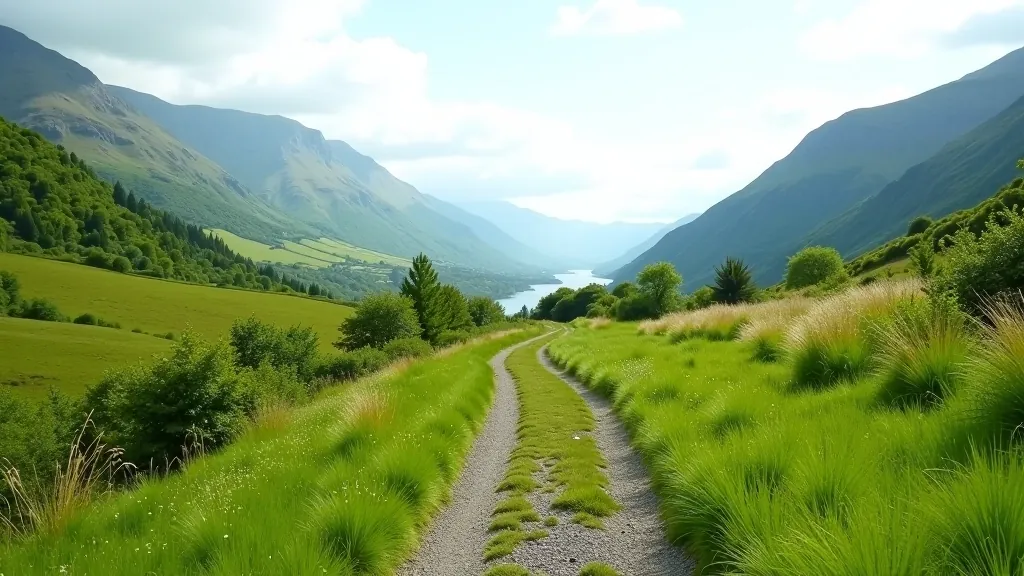
The 2.5-mile valley walk skips the climb up to Torc Waterfall entirely — that's the steep bit everyone mentions. Instead, you walk the valley floor alongside the Owengarriff River. Trees provide good shade, and you'll spot oak and ash woodland. The surface is mostly compacted earth with some gravel sections. This route feels quieter than Muckross.
Arthur Valley Quiet Route
The 2-mile walk here is the shortest and least crowded. It follows an old estate road with rhododendron shrubs lining the path. You're sheltered from wind and get gradual views of the valley opening up. Good if you want walking without feeling rushed, and you're back to the car park in about 45 minutes.
What to Bring and How to Prepare
Footwear Matters
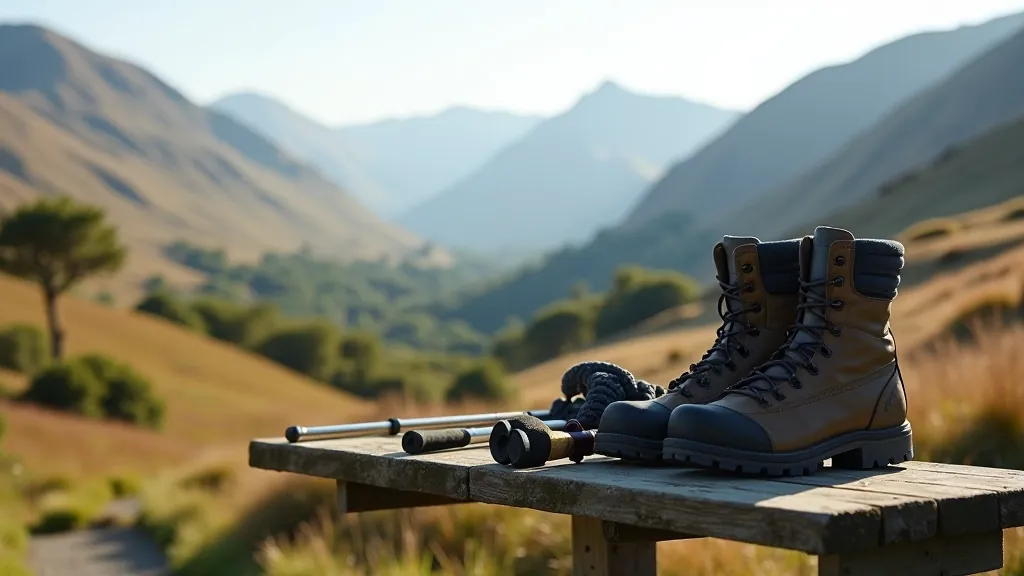
Don't wear regular trainers. Get proper walking shoes with ankle support — something waterproof if possible. These trails stay damp even after rain dries elsewhere. Your feet will thank you. Breaking in new boots before you go isn't optional; blisters aren't fun when you're 1.5 miles from the car park.
Walking Poles Are Genuinely Helpful
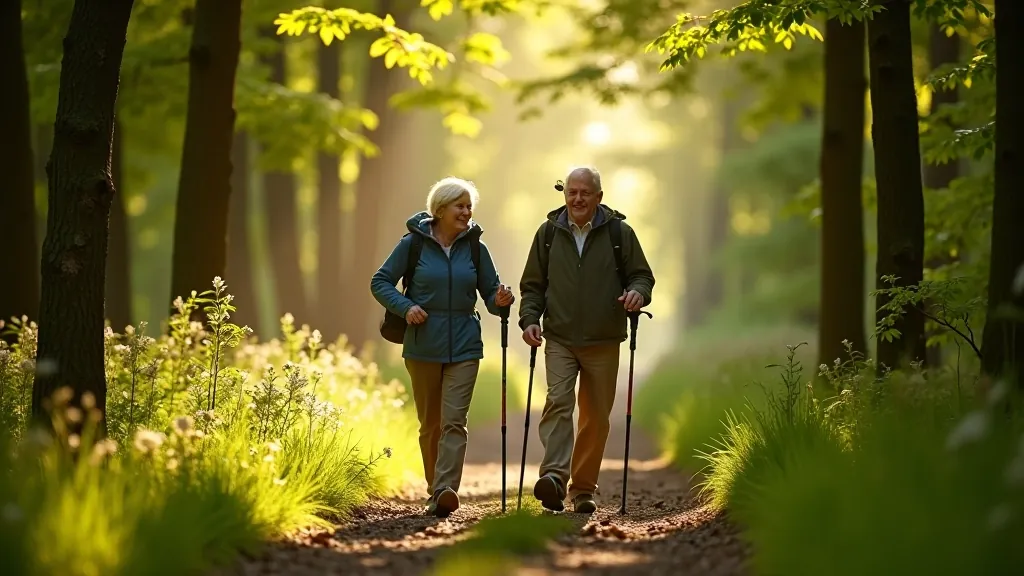
You're not climbing steep sections, but poles reduce impact on your knees and give you confidence on uneven sections. They're not required, but most people who've tried them won't walk without them. Adjust them so your elbows bend at roughly 90 degrees.
Pack These Essentials
Water bottle (at least 500ml), snacks (trail mix, a banana, energy bar), sunscreen even on cloudy days, and a light rain jacket. The Irish weather changes fast. Bring a small first aid kit with blister patches — honestly, that's the most useful thing you can carry. A phone for emergencies is obvious, but also consider a whistle just in case.
Safety and Comfort Tips
Start early in the day. You'll have better light, fewer people on the trail, and you're back before your energy dips. Most people start around 9 or 10 AM.
Tell someone where you're going and when you expect to be back. It sounds basic, but it matters. Take a photo of the trail map at the car park entrance — no need for fancy GPS apps if you have a picture of where you are.
Weather changes fast in Killarney. That blue sky at 10 AM can be gray drizzle by noon. It's not dangerous — these valleys have escape routes every few hundred meters — but you'll be more comfortable if you're prepared. Layers work better than one thick jacket.
If you're walking solo, stick to the main routes (Muckross especially) where you'll see other people regularly. The quieter routes are lovely, but having companions adds an extra layer of safety and enjoyment. Plus, there's always someone to help if you twist an ankle.
Best Times to Visit
Spring (March–May)
Rhododendrons bloom in late April and May. The valleys are stunning with color. Days get longer, so you've got more daylight for walking. Temperature's mild — 10-15°C typically. The ground can still be wet, so waterproof boots are essential.
Summer (June–August)
Warmest months (15-20°C). Crowds peak in July and August. If you go mid-week, you'll avoid the weekend rush. Days are longest, so even a late start gives you good walking time. Midges can be annoying in July — consider a head net if you're sensitive.
Autumn (September–October)
Weather's still reasonable (10-15°C) and crowds thin out. Trees change color gradually. September's our pick — warm enough that one layer works, cool enough you don't overheat. October can get wet and windy, so be prepared.
Getting There and Logistics
Killarney National Park has several car parks. Muckross car park is the biggest and easiest to find — it's right on the main N71 road. Plenty of spaces, and facilities including toilets and a visitor center. From Dublin, it's about 3.5 hours' drive (330km). From Cork, roughly 90 minutes.
If you're using public transport, Killarney town has a train station and bus connections. From there, you'd need a taxi to the car parks — roughly 10-15 minutes depending on which trail you're doing. Local taxis know the park well and can drop you at trailheads.
Parking fees apply (typically €5-10 per day depending on the car park). Payment's usually at the barrier on exit. The visitor center sells maps and has helpful staff if you want to confirm conditions before you start.
Important Notice
This guide is informational and based on general conditions at Killarney National Park. Trail conditions, accessibility, and facilities can change. Before visiting, check the official Killarney National Park website for current information. If you have specific health concerns or mobility questions, consult with a healthcare professional. Weather conditions vary significantly, and Irish weather is unpredictable — always check forecasts and be prepared for rapid changes. Walking trails carry inherent risks; you're responsible for assessing your own fitness and abilities.
Start Your Killarney Adventure
Killarney's valley trails aren't secret anymore, but they're still wonderfully accessible. You don't need to be ultra-fit or young to enjoy them. The valleys welcome walkers at any pace. Pick your trail based on what calls to you — mountain views, woodland walks, or quiet solitude. Bring proper gear, start early, and take your time. The mountains aren't going anywhere, and neither are the benches when you need a rest.
If you've walked these trails or you're planning your first visit, they're worth your time. It's some of the best walking Ireland has to offer, and it's genuinely accessible for people at any walking level.
Related Guides